

The need for invasive post-mortems across Rochdale, Bury, and Oldham could be reduced by up to 80 per cent thanks to pioneering new digital autopsies.
The innovative service is being delivered by the Coroner’s Office for Greater Manchester, in partnership with the NHS, specialist post-mortem imaging provider Anubix, and medical imaging provider TIC Health.
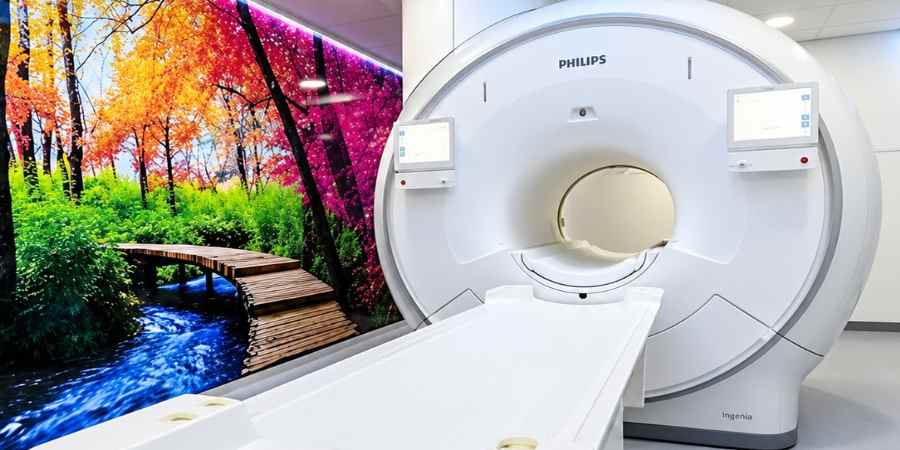
Working with pathologists, radiologists and mortuary staff at the Northern Care Alliance the coroner’s office will, where appropriate, provide computed tomography (CT) scanning to help inform a person’s cause of death.
Teams will use post-mortem imaging to check if a cause of death can be determined without the need for traditional invasive post-mortems, a process that can cause further distress to relatives during the grieving process.
A number of scans a week will be carried out using the new technology, with a long-term ambition of speeding up the service provided for relatives following the loss of a loved one.
Councillor Neil Emmott, leader of Rochdale Borough Council, said:
“This is a highly sensitive issue that has been carefully handled. Working in partnership across the health sector, this will help to futureproof the coroner’s service and ensure families and loved ones continue to get the best possible support. I know from speaking with residents across Heywood, Middleton, Pennines and Rochdale how invasive post-mortems often causes additional anxiety at a time of grief, so this is a timely and welcome new service.”
Joanne Kearsley, senior coroner for Manchester North, said:
“We are delighted to have implemented this service for the people of Rochdale, Oldham and Bury. It is an important development for bereaved families and communities, as we continue to deliver a high-quality coroner’s service that deals sensitively and promptly with post-mortems during the grieving process.”
Dr. Natasha Davendralingam, founder and chief executive of Anubix, said:
“Death care deserves the same clinical standards, dignity and compassion as healthcare. Post-mortem CT means that, in many appropriate cases, we can provide the answers a coroner and family need without an invasive examination. For Anubix, this is about ensuring that high-quality, evidence-based care does not simply at the end of life.”
Dr. Christian Kleanthous, chief executive of TIC Health, said:
“We are proud to bring our imaging expertise and infrastructure to this partnership and help create a service that families and coronial teams can have confidence in. We are used to delivering high-quality diagnostic imaging services for living patients and believe the same standards should underpin post-mortem imaging, with clinical quality, safety and effective governance the priority."